For most shippers, the FTL vs. LTL decision comes down to one question: how much freight do I have? For apparel and textile freight, that’s only half the story — handling risk, timing and cost per unit all shift the calculus.
When FTL makes sense
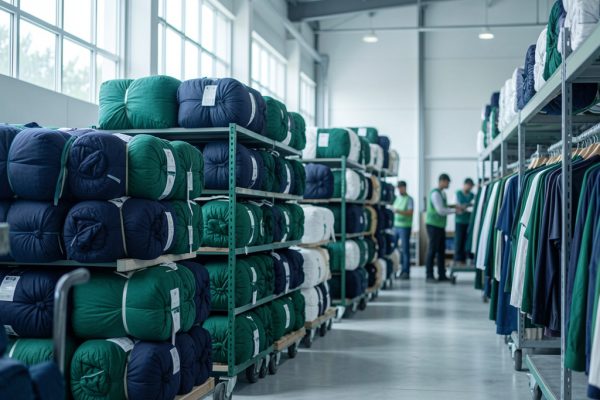
Full truckload is the right call whenever your freight fills — or nearly fills — a trailer, but it’s also worth considering for smaller apparel loads that are fragile, high-value, or sensitive to handling. Every LTL stop is a chance for a pallet to get crushed, mishandled, or delayed at a cross-dock. If you’re shipping floor-loaded garments on hangers or loosely packed rag bales, a dedicated FTL truck avoids that entirely.
When LTL makes sense
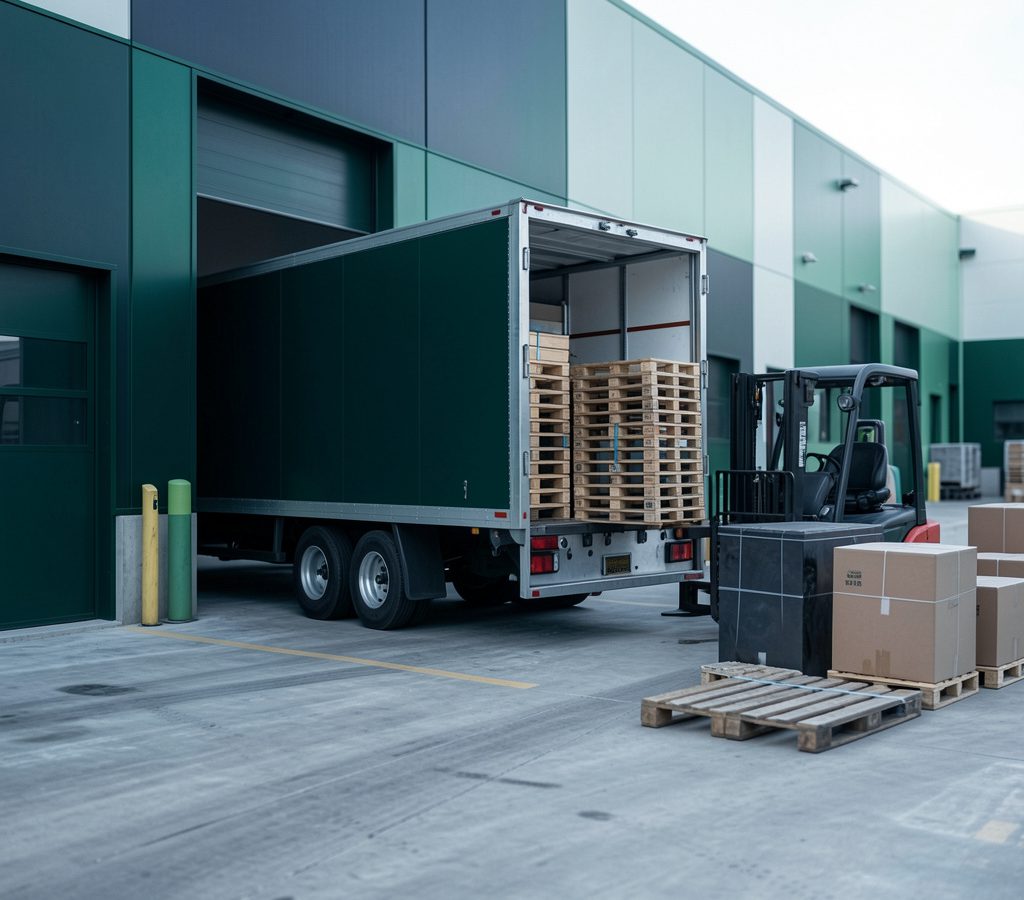
LTL is the more economical choice for smaller, well-palletized shipments that can tolerate a multi-stop journey through a carrier’s network. Standard cartons of folded apparel or shrink-wrapped textile rolls generally ship well via LTL, provided they’re packaged to survive multiple touches.
Questions to ask before you book
- Is the freight palletized and shrink-wrapped, or loose/floor-loaded?
- How time-sensitive is the delivery?
- What is the per-unit value, and can it absorb minor handling damage?
- Do you have consistent volume that could qualify for a dedicated lane rate?
The cheapest rate on paper isn’t the cheapest shipment if a quarter of the load arrives damaged.
A broker who understands apparel and textile freight specifically will ask these questions before quoting — not after something goes wrong in transit.