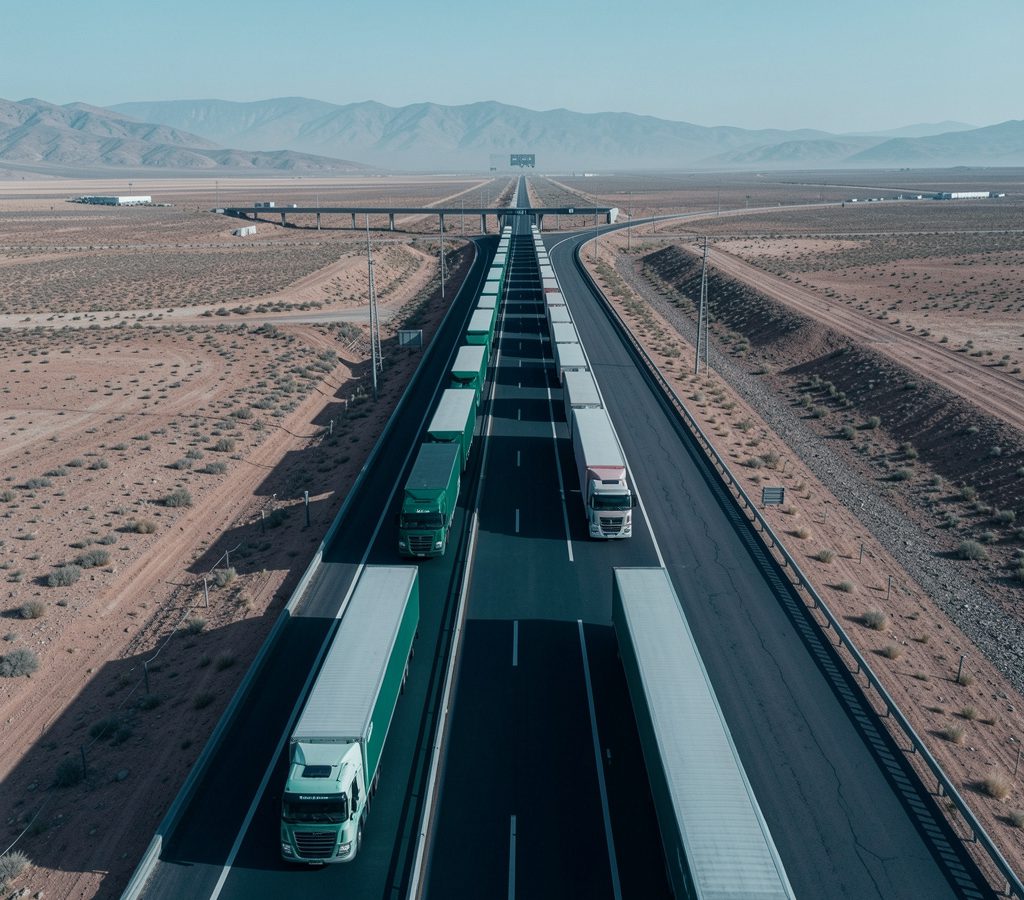
Cross-border freight between the U.S. and Mexico is a growing lane for apparel, textile and wholesale secondhand goods — but it comes with a documentation and compliance layer that purely domestic shippers rarely encounter.
Documentation you’ll need
At minimum, expect to provide a commercial invoice, a certificate of origin where applicable, and accurate HTS classification codes for the goods being moved. Missing or inaccurate paperwork is the single most common cause of border delays.
Not every carrier can legally cross
Cross-border hauling requires specific carrier authority and, often, a relationship with a customs broker on both sides of the border. A domestic-only carrier showing up at the border without the right authority will get turned around — costing you a day or more.
Working with a broker who handles both sides
- Confirm the carrier has active cross-border authority before booking
- Build in buffer time for customs clearance — it is rarely instant
- Keep your commercial invoice values consistent across all shipment paperwork
Cross-border delays are almost always a paperwork problem, not a trucking problem.
A broker with real cross-border experience will flag documentation issues before the truck ever leaves the dock, not after it’s sitting at the border.